
What happens when women from the Global Majority are brought in to fix broken systems, without the power to change them.
The recent resignation of Dr Halima Begum from Oxfam has reignited an uncomfortable but necessary conversation about who gets to lead, who gets supported, and who is left to take the fall when things go wrong.
Once again, a woman of colour was brought in to steer an organisation through a turbulent moment, only to be blamed, isolated, and pushed out when structural change proved too uncomfortable. Her story mirrors a recurring pattern in the charity and development sector: women of colour are often celebrated as the ones who will “fix” systemic problems, but when those same systems resist reform, they are left to carry the blame.
This dynamic is sometimes described as the glass cliff, a phenomenon where women are appointed to leadership roles in times of crisis, setting them up to fail. But for women of colour, it often feels less like a cliff and more like an abyss, a place where they must navigate not just organisational instability but also racism, sexism, and isolation from within the very systems they are trying to transform.
When Representation Isn’t Enough
The charity sector, with its public commitments to equality and justice, is not immune to the biases it seeks to challenge. Representation alone is not transformation.
Women of colour are often invited into leadership as symbols of progress, but rarely are they given the structural support, cultural understanding, or institutional backing needed to succeed.
These leaders frequently find themselves in environments that value their presence more than their perspective. When they call out racism, inequity, or entrenched power imbalances, they risk being labelled “difficult” or “divisive.” In these moments, representation becomes a burden rather than a bridge.
True change requires more than appointing new faces. It demands reimagining the systems of power that have long dictated who leads, who decides, and who gets heard.
What Western Models Get Wrong About Leadership
Much of the Western non-profit and corporate world still operates through hierarchical, top-down models of leadership. These systems tend to prize authority, decisiveness, and control over collaboration, care, and community.
Women of colour, particularly those from the Global Majority, often bring a different approach that centres listening, shared responsibility, and relational leadership. Instead of controlling others, they lead with others. Instead of seeking power, they build it collectively.
Yet these very qualities, empathy, humility, and interconnectedness, are often undervalued in spaces that equate leadership with dominance. The result is a culture that both depends on the emotional labour of women of colour and punishes them when they refuse to conform to its old rules.
Learning from the Global Majority
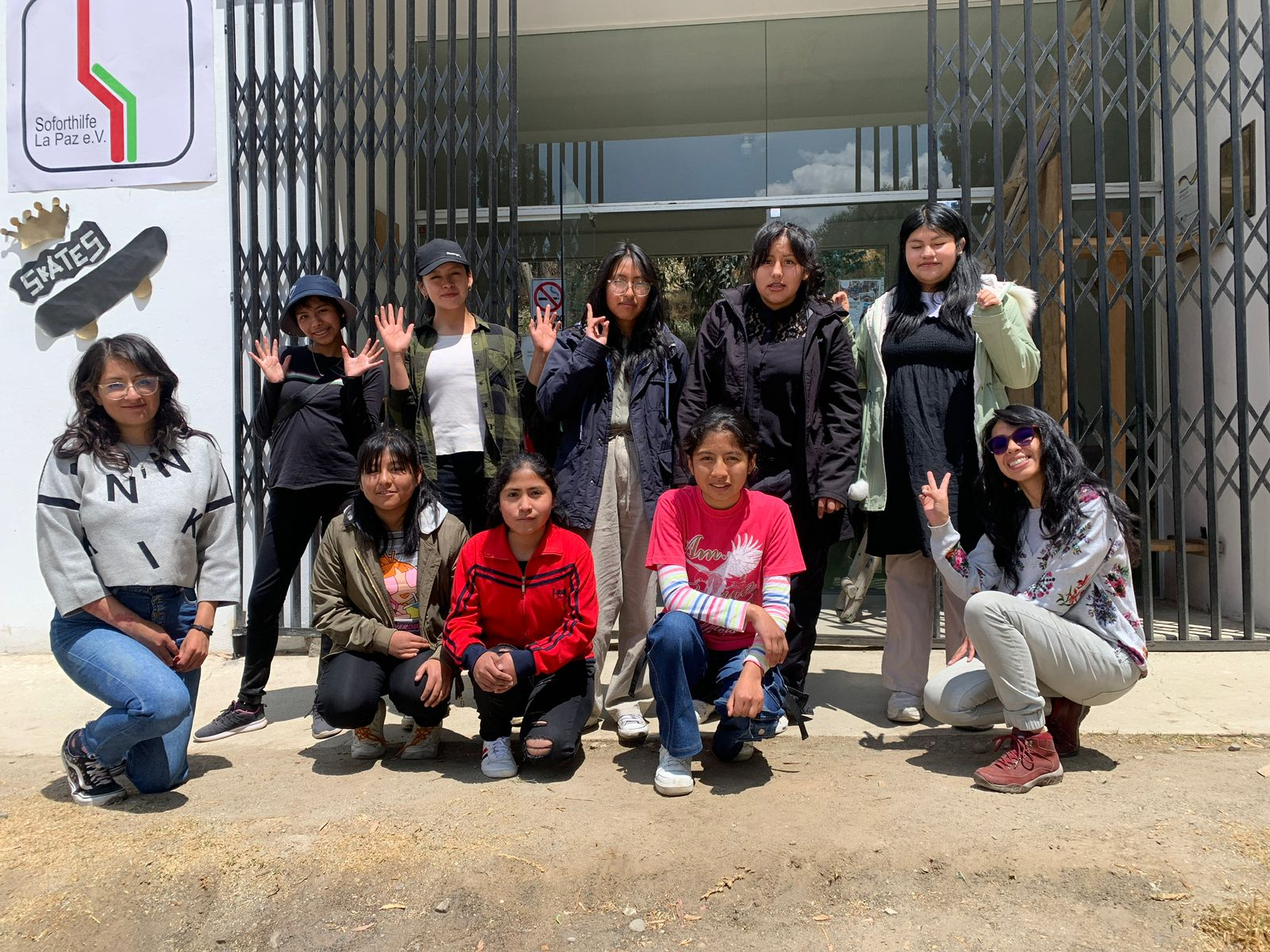
At Global Girl Project, we have seen first-hand what transformative leadership looks like when it grows from the ground up. In our 11 years of mobilising marginalised girls from the Global Majority we have equipped them to lead in ways that are deeply collaborative, responsive to their communities, and rooted in care.
If the international charity sector wants to build inclusive, resilient organisations, it must learn from these models of leadership rather than attempting to “develop” them. The Global Majority does not need to be taught leadership; it has been practising it for generations.
Reimagining Leadership in the Charity Sector
So, what would it look like to move beyond the glass cliff?
It would mean rethinking how we define success, how we distribute power, and how we care for those we ask to lead.
Boards and executives must be accountable not only for hiring diverse leaders but also for supporting them meaningfully. Leadership programmes should incorporate decolonial and collective approaches. And most importantly, organisational cultures must be built around care, not crisis, and around shared accountability, not scapegoating.
When we begin to value relational leadership, leadership rooted in empathy, justice, and shared purpose, we move closer to creating systems that no longer rely on individuals to fix what is broken but instead invite everyone to participate in rebuilding.
A Call for Courage and Change
Dr Halima Begum’s story is not just about one leader or one organisation. It reflects a wider, deeply ingrained problem in the charity world and an urgent opportunity for change.
If we are serious about equity, we must go beyond inclusion statements and recruitment drives. We must look honestly at the structures we uphold and ask whether they make space for the kind of leadership that truly transforms.
At Global Girl Project, we believe that girls and women from the Global Majority already hold the answers. Their leadership, rooted in care, collaboration, and courage, shows us what a more just and connected world can look like.
True inclusion does not come from choosing new faces for old systems. It comes from building new systems that reflect the values of care, equity, and justice — systems where no one is pushed off the edge of a glass cliff because everyone is standing on solid ground.
By Jules Lynch with Edith Mecha